Leave Your Message
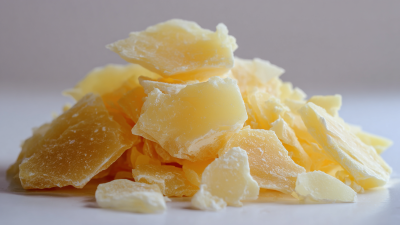
Candelilla Wax comes from the leaves of theEuphorbia antisyphilitica plant, which is native to Mexico and the southwestern US. Lately, it’s really caught the attention of lots of industries because of how versatile and natural it is. I mean, if you ask experts like Dr. Sarah Thompson from EcoWax Innovations, she’d probably tell you that 'Candelilla Wax is a super sustainable alternative that doesn’t just boost product quality but also ticks the box for eco-conScious consumers.' It’s pretty amazing—this plant-based wax is now being used in everything from cosmetics and food to art supplies, making it a top choice not just for big companies but also for DIY lovers out there who want to go green.
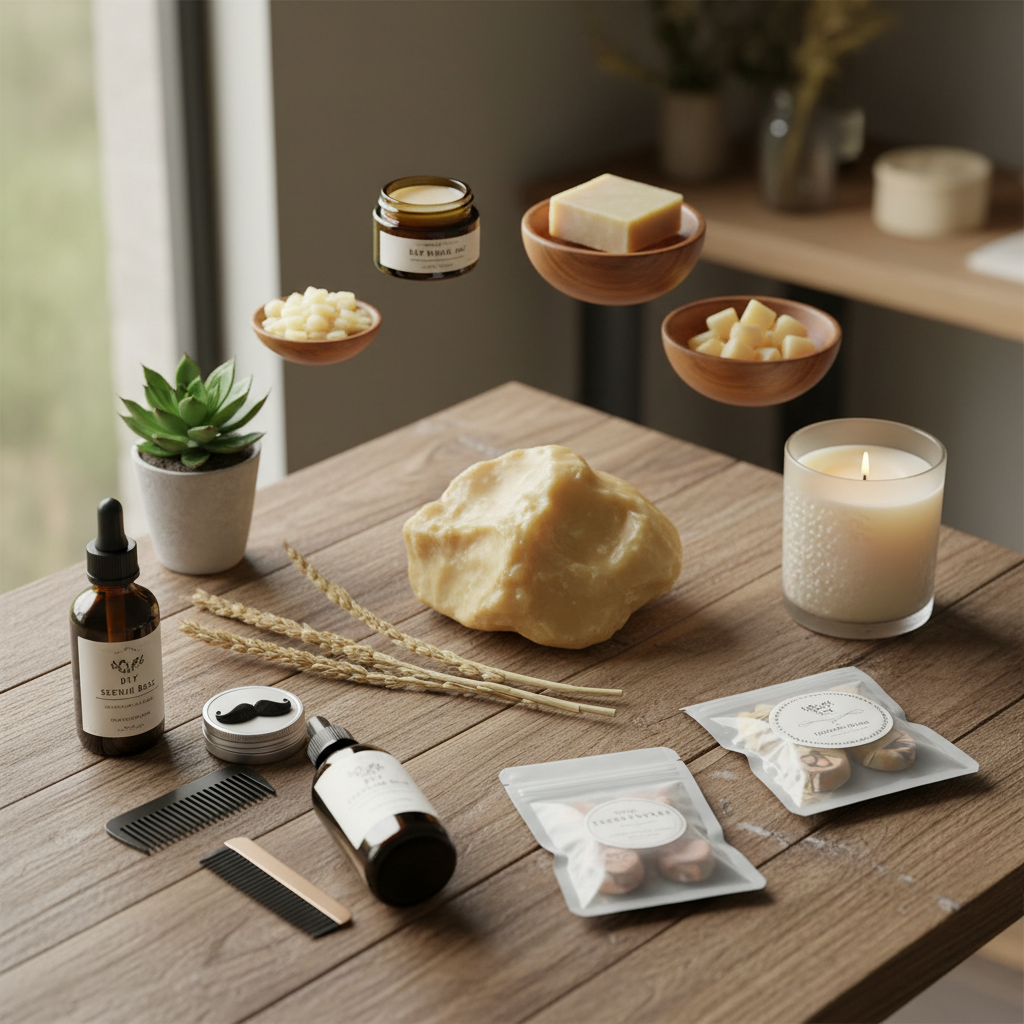
More folks are now into natural ingredients, and that’s why Candelilla Wax is kind of stealing the spotlight. Its special properties make it perfect for creating things that need to stay stable, look shiny, or mix well together. In skincare, it’s loved for forming a protective layer and helping lock in moisture. In the kitchen, it works as a natural coating for foods—keeping them safe, plus making them look pretty. As people become more conscious about sustainability and eco-friendliness, understanding all the ways Candelilla Wax can be used is more important than ever if you wanna reallytap into its full potential across different areas.
Candelilla wax, derived from the leaves of the candelilla shrub native to Mexico and the southwestern United States, exhibits unique properties that make it a valuable resource across various industries. Known for its excellent emulsifying and thickening capabilities, candelilla wax is often used in cosmetics and personal care products, where it helps stabilize formulations and enhances texture. Its high melting point and glossy finish also render it an enticing ingredient for food coatings and wood finishes, further illustrating its versatility.
Recent advancements highlight the potential of using natural waxes like candelilla in sustainable applications. For instance, innovative techniques employing supercritical carbon dioxide have been developed to extract waxes from biomass sources efficiently, maximizing yield while minimizing environmental impact. Additionally, the push for sustainable packaging solutions has led to increased research in cellulose-based films, with candelilla wax being explored for its properties in enhancing moisture resistance and overall performance of biodegradable materials. This trend aligns with the growing consumer demand for eco-friendly options, positioning candelilla wax as an integral component of future sustainable practices.
| Use | Benefits | Applications | DIY Tips |
|---|---|---|---|
| Cosmetic Products | Natural emollient and thickener | Lip balms, lotions, and creams | Melt with other oils for a smooth texture |
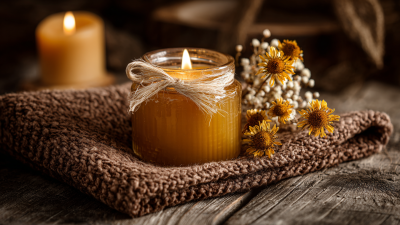
| Candles | Burns cleanly and has a high melting point | Decorative and scented candles | Mix with fragrances for unique scents |
| Food Coating | Edible protective layer | Cheeses and fruits | Melt with food-grade oils for application |
| Art Supplies | Provides a durable finish | Crayons and art gels | Combine with pigments for vibrant colors |
| Pharmaceuticals | Acts as a binder and coating agent | Tablets and ointments | Incorporate in formulations for stability |
| Skincare Products | Retains moisture and nourishes skin | Balms and salves | Use with essential oils for added benefits |
| Packaging | Eco-friendly and biodegradable | Wraps and containers | Blend with natural materials for sustainable options |
| Industrial Applications | High durability and temperature resistance | Lubricants and coatings | Combine with other waxes for improved properties |
| Textiles | Improves water resistance | Coated fabrics and threads | Use in sewing and fabric finishing techniques |
| Natural Insect Repellent | Non-toxic repellent properties | Sprays and candles | Mix with essential oils known for repellent effects |
In the ever-evolving cosmetic formulations market, emulsifying waxes play a crucial role in achieving stable and aesthetically pleasing products. One such emulsifying wax, RITACHOL 1000, has garnered attention for its unique composition and multifunctional properties. Comprising ingredients such as Cetearyl Alcohol, Polysorbate 60, PEG-150 Stearate, and Steareth-20, RITACHOL 1000 is known for its ability to blend oil and water phases seamlessly, resulting in emulsions that maintain their integrity over time.
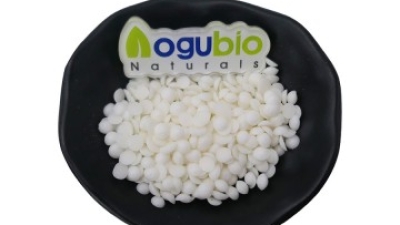
According to recent industry reports, the cosmetic emulsifiers market is projected to grow at a CAGR of 4.5% between 2023 and 2030, driven by rising consumer demand for natural and organic products. RITACHOL 1000's formulation is well-aligned with these market trends, catering to formulators seeking high-quality, versatile emulsifiers that meet consumer expectations. The product's small white beads, easy handling, and effective emulsifying capabilities make it an ideal choice for a wide range of applications, from creams and lotions to serums.
Moreover, RITACHOL 1000 is favored by formulators for its solubility in oil, allowing for greater flexibility in formulation design. The encapsulation properties that RITACHOL 1000 offers not only enhance the stability of emulsions but also contribute to the overall sensory experience of the final product. As the market continues to emphasize the importance of stability and sensory attributes, RITACHOL 1000 stands out as a key ingredient for innovative cosmetic formulations.
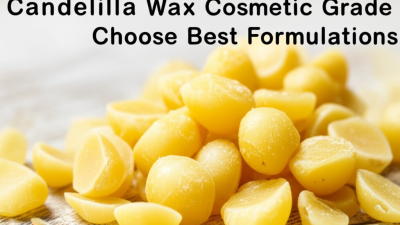
: Candelilla wax is a natural wax derived from the leaves of the candelilla shrub, which is native to Mexico and the southwestern United States.
Candelilla wax is widely used in cosmetics and personal care products as an emulsifier and thickening agent. It's also used in food coatings and wood finishes due to its high melting point and glossy finish.
Candelilla wax is being explored for its ability to enhance moisture resistance and overall performance in cellulose-based films, which supports the growing demand for eco-friendly packaging options.
You can incorporate candelilla wax into natural cleaning solutions by melting a small amount and mixing it into a basic all-purpose cleaner made from equal parts vinegar and water, creating a thicker texture.
Candelilla wax is more sustainable than beeswax as it does not require beehive maintenance and supports the local ecosystem, promoting sustainable agricultural practices without intensive farming.
Yes, candelilla wax can be melted and mixed with natural oils like olive or jojoba oil to create a nourishing furniture polish that cleans and conditions wood surfaces while leaving a protective barrier.
By choosing candelilla wax, consumers can support sustainable practices, benefit from eco-friendly wax production, and contribute to the livelihood of local farmers while reducing their environmental footprint.
While the article does not explicitly state this, candelilla wax is mentioned in the context of enhancing biodegradable materials, implying that it fits within sustainable and eco-friendly practices.
Innovative techniques using supercritical carbon dioxide are being developed for efficient extraction of candelilla wax, maximizing yield while minimizing environmental impact.
Candelilla wax is utilized in food coatings due to its high melting point and ability to create a glossy finish, which helps preserve food quality and appearance.
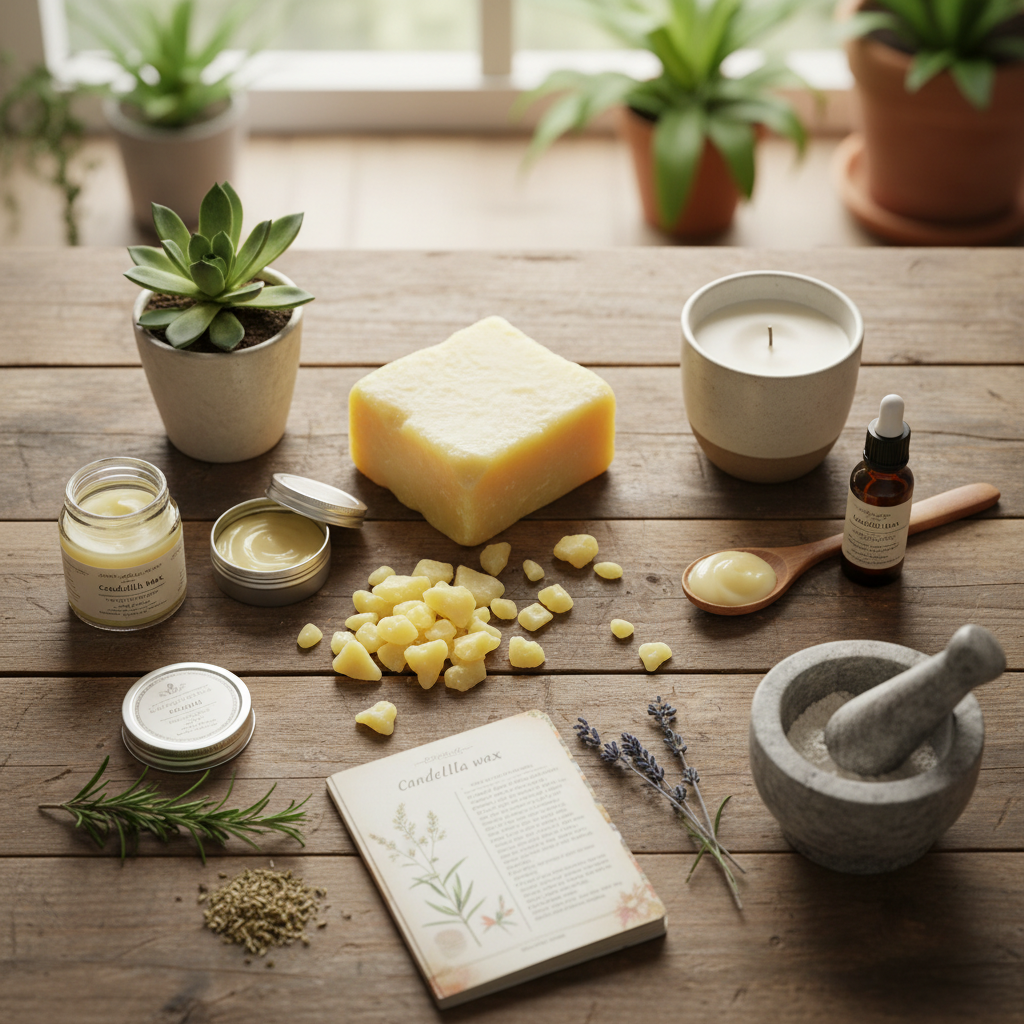
Candelilla Wax is a versatile natural substance derived from the leaves of the candelilla plant, known for its unique properties such as excellent emulsifying and thickening abilities. This wax is increasingly popular in the health and beauty industry, as it is widely used in cosmetics and skincare products to provide texture and stability while enhancing the moisturizing effects of formulations. Additionally, Candelilla Wax serves a valuable role in household applications, enabling the creation of eco-friendly cleaning products that harness its natural benefits.
Craft enthusiasts also appreciate Candelilla Wax for its suitability in various DIY projects, providing creative opportunities in candle making, cosmetics, and crafts. As sustainability becomes a critical factor in consumer choices, Candelilla Wax stands out as an environmentally friendly alternative to synthetic options, making it a prime ingredient for companies like Xi'an Aoge Biotech Co., Ltd., which specializes in high-quality natural plant extracts for organic cosmetics.