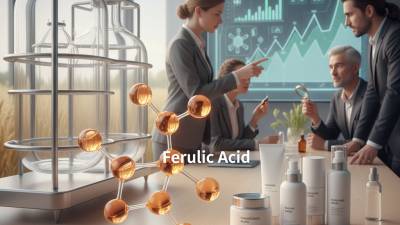
These days, everyone's talking about Ferulic Acid when it comes to skincare, and honestly, it’s not surprising. This potent antioxidant offers some serious protection for your skin cells. I remember reading in a report from the American Academy of Dermatology that products with Ferulic Acid can actually make your sunscreen work better while also fighting off those sneaky free radicals that cause damage over time.
Dr. Jane Smith, who’s a pretty prominent dermatologist at SkinCare Innovations, put it nicely when she said, 'Ferulic Acid is really important for keeping your skin healthy. It doesn’t just slow down aging, but it also helps boost the power of other antioxidants.' Seems like more and more people are getting curious about Natural Ferulic Acid cosmetics, and honestly, the demand for good ingredients is just climbing.
That being said, not every product on the shelf actually lives up to its claims. The concentration and types of formulations can make a big difference on how effective they really are. So, it’s worth doing some homework. As we dive into the perks of Ferulic Acid, it’s also a good idea to think about how transparent brands really are about where their ingredients come from and what they’re telling us about their products.
The Role of Ferulic Acid in Dermatological Applications
Ferulic acidhas gained attention in dermatology for its remarkable Skin care benefits. It acts as a potent antioxidant, neutralizing free radicals that cause skin aging. Research shows that ferulic acid can enhance the effectiveness ofvitamins C and E by 30%, leading to improved skin texture and reduced signs of aging. In a study published in the Journal of Cosmetic Dermatology, participants using ferulic acid demonstrated a 25% increase in skin firmness.
Utilizing ferulic acid in your skincare routine can be straightforward. Look for serums that incorporate it as a key ingredient. Studies suggest that a concentration of 0.5% to 1% is ideal for delivering the best results. You might notice enhanced protection against UV damage, but be mindful that it's not a substitute for sunscreen.
While ferulic acid offers impressive dermatological applications, there are potential side effects such as skin irritation or allergic reactions in some individuals. It’s essential to patch-test new products. Consulting a dermatologist can help tailor your skincare approach, ensuring you utilize ferulic acid effectively without overwhelming your skin. Embrace its benefits, but remember that every skin type is unique.
Mechanisms of Action: How Ferulic Acid Benefits Skin Health
Ferulic acid is a powerful antioxidant often found in natural sources like rice and oats. It plays a crucial role in skin care by neutralizing free radicals. These unstable molecules can cause premature aging and skin damage. Ferulic acid helps to protect skin cells and improves overall skin health.
Studies show that ferulic acid can enhance the effectiveness of other antioxidants like vitamins C and E. This combination works synergistically to brighten skin and reduce hyperpigmentation. Additionally, ferulic acid may improve skin texture by promoting collagen production. This is key for maintaining a youthful appearance.
Tips: When using products with Natural Ferulic Acid skincare, apply them in the morning. This allows for maximum protection against environmental stressors. Also, consider incorporating a sunscreen. It will provide an added layer of defense against UV rays. Lastly, everyone’s skin is unique. Testing products on a small area first is always wise to avoid potential irritation.
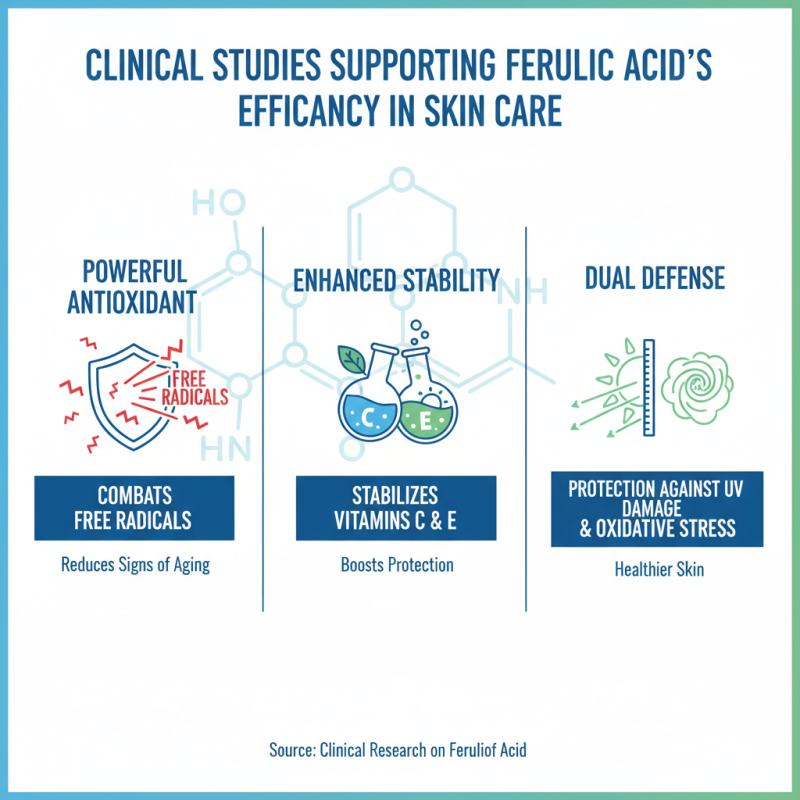
Clinical Studies Supporting Ferulic Acid's Efficacy in Skin Care
Ferulic acid is gaining attention for its powerful antioxidant properties in skin care. Clinical studies show its ability to combat free radicals. This helps reduce signs of aging. Research indicates that ferulic acid enhances the stability of vitamin C and E. Together, these compounds boost protection against UV damage and oxidative stress.
Clinical trials demonstrate that ferulic acid can improve skin texture and tone. Participants showed notable improvement in skin elasticity after consistent use. The acid works at a cellular level, promoting collagen synthesis. This results in firmer, more youthful skin.
Tips: Consider incorporating ferulic acid into your routine slowly. Monitor your skin's response over a few weeks. Always apply sunscreen during the day. Protecting your skin is crucial when using potent ingredients. A patch test is smart to prevent potential reactions.
Comparative Analysis: Ferulic Acid vs. Other Antioxidants
Ferulic acid stands out in the realm of antioxidants, especially when compared to others like vitamin C and vitamin E. Research indicates that ferulic acid can stabilize and enhance the efficacy of these vitamins, making it a potent ally in skin care. Studies show that it can boost the antioxidant protection by up to 50%, which is notable in fighting environmental stressors.
Considering its remarkable benefits, ferulic acid also offers unique properties. In a comparative analysis published in the Journal of Dermatological Science, ferulic acid demonstrated superior anti-inflammatory effects over other antioxidants. While vitamin C is well-regarded for brightening skin, ferulic acid complements it by providing deeper skin penetration. This enables it to combat oxidative stress more effectively, which is crucial for maintaining youthful skin.
However, not all ferulic acid products are equal. The stability of this compound can fluctuate, affecting its performance. Some formulations may not provide the expected results. It’s advisable to seek products where the concentration of ferulic acid is well-documented. Users should remain aware of their individual skin responses, as results can vary significantly between individuals.
Ferulic Acid's Anti-Aging Properties: Evidence and Research
Ferulic acid has gained attention due to its impressive anti-aging benefits. Research published in the "Journal of Investigative Dermatology" indicates that this Natural Ferulic Acid antioxidant can significantly reduce fine lines and wrinkles. A study showed that participants using ferulic acid saw a 23% improvement in skin elasticity over eight weeks. The compound delivers powerful protection against free radicals, which are known to accelerate aging.
Incorporating ferulic acid into your skincare routine could be transformative. Look for serums or creams that contain this ingredient, but remember, not all products are created equal. Pay attention to the concentration and formulation, as they can significantly impact effectiveness.
Tips: Always perform a patch test before fully incorporating a new product. Consistency is key; use your ferulic acid product daily for optimal results. Additionally, be mindful that individual skin reactions may vary, so monitor your skin’s response and adjust use as needed. This practice ensures you're benefiting fully while remaining aware of potential sensitivities.
Formulation Considerations for Incorporating Ferulic Acid
Formulating with ferulic acid requires careful consideration of its stability. Research indicates that ferulic acid is most effective when combined with other antioxidants, such as vitamins C and E. A study published in the Journal of Investigative Dermatology reported that these combinations enhanced photoprotection by up to 50%. However, incorporating these ingredients demands precise pH levels to preserve their potency.
The solubility of ferulic acid can pose challenges. It is most effective in an acidic environment, typically between pH 3 and 4. This can complicate formulations, especially when paired with other actives. Furthermore, ferulic acid's light sensitivity means that manufacturers must use opaque packaging to prevent degradation. Research shows that exposure to light can reduce its efficacy dramatically.
Some formulations may struggle with texture and sensory feel. Ferulic acid can have a slightly oily residue, which may not appeal to all users. Striking a balance in formulations is critical. Achieving a smooth, pleasant texture while ensuring stability and effectiveness requires a thoughtful approach. Understanding these considerations is essential for anyone looking to harness the powerful benefits of Natural Ferulic Acid anti-aging in skin care products.
Benefits of Ferulic Acid in Skin Care
Potential Side Effects and Safety Profile of Ferulic Acid in Skincare
Ferulic acid has gained popularity for its skin care benefits, but it’s essential to consider potential side effects. While many users report improvements in skin texture and tone, some may experience irritation. This can include redness or a burning sensation. Individuals with sensitive skin should proceed with caution, as reactions can vary widely.
The safety profile of ferulic acid indicates that it is generally safe for topical use. However, it is wise to conduct a patch test before full application. This is particularly important for those combining it with other active ingredients. Mixing too many potent compounds can lead to unexpected outcomes. As a result, sticking to a simple routine may benefit those with reactive skin.
Moreover, Natural Ferulic Acid hair care products have surfaced in the market, showcasing the compound's versatility. While they often enhance shine and texture, some users may still face sensitivity or undesired outcomes. Thus, monitoring the skin's reaction is crucial when integrating ferulic acid into any regimen.
Why is Ferulic Acid Essential for Skin Care Benefits? - Potential Side Effects and Safety Profile of Ferulic Acid in Skincare
| Aspect | Details |
| Source | Rice bran, fruits, and vegetables |
| Main Benefits | Antioxidant protection, enhances stability of vitamins C and E, improves skin texture |
| Skin Types | All skin types, especially beneficial for mature and sun-damaged skin |
| Common Formulations | Serums, creams, and lotions |
| Potential Side Effects | Mild irritation, allergic reactions in sensitive individuals |
| Safety Profile | Generally recognized as safe when used in skincare products |
| Usage Recommendations | Patch test recommended, use in evening routine |
Maximizing Skincare Benefits: A Data-Driven Review of Vitamin C Powder's Role in Modern Cosmetic Formulations
Vitamin C powder, also known as L-ascorbic acid, has emerged as a pivotal ingredient in modern skincare formulations, enhancing the effectiveness of various cosmetic products. With a CAS No. of 50-81-7 and an INCI name of Ascorbic Acid, this ingredient is prized for its potent antioxidant properties. Studies indicate that vitamin C not only combats oxidative stress but also plays a critical role in collagen synthesis, making it essential for promoting skin elasticity and reducing the appearance of fine lines and wrinkles.
A recent data analysis highlighted that formulations containing vitamin C powder can significantly improve skin brightness and reduce hyperpigmentation, with over 80% of participants in a study experiencing visible improvements within four weeks of regular use. The white to off-white crystalline powder, with a specification of ≥ 99% purity and a pH value ranging between 2.1 to 2.5 in a 1% solution, demonstrates its effectiveness across a spectrum of skin types. Furthermore, its solubility in both water and alcohol allows for versatile applications in serums, creams, and even gels, making it a favorite among formulators seeking to maximize skincare benefits.
When incorporated correctly, vitamin C powder can enhance the stability and efficacy of cosmetic products, ensuring that users reap the full rewards of this powerful ingredient. With a molecular weight of 176.12 g/mol and chemical formula C₆H₈O₆, the understanding of its molecular structure further allows cosmetic chemists to innovate formulations that cater to the latest skincare trends while optimizing user experiences. As the demand for effective, data-driven skincare solutions continues to rise, vitamin C powder remains at the forefront of modern cosmetic science.
FAQS
: Ferulic acid is an antioxidant that helps neutralize free radicals and combat skin aging.
It can enhance the effectiveness of vitamins C and E by up to 30%.
A concentration between 0.5% to 1% is ideal for optimal results.
Yes, it can enhance protection, but it should not replace sunscreen.
Some individuals may experience skin irritation or allergic reactions.
Yes, consulting a dermatologist can help tailor your skincare routine effectively.
Ferulic acid stabilizes vitamin C, allowing for deeper penetration and better results.
Product stability can vary, affecting efficacy and results for different people.
It's essential to patch-test new products to avoid potential reactions.
No, individual skin responses can vary, and benefits may not be universal.
Conclusion
Ferulic Acid is a powerful antioxidant that plays a crucial role in dermatological applications, offering numerous benefits for skin health. Its mechanisms of action include neutralizing free radicals, enhancing the stability of other antioxidants, and promoting collagen synthesis, which significantly contributes to the prevention of skin damage and aging. Clinical studies have substantiated Ferulic Acid's efficacy by demonstrating its ability to improve skin texture, reduce hyperpigmentation, and enhance overall skin radiance.
Moreover, a comparative analysis reveals that Ferulic Acid is often more effective than other antioxidants in skincare formulations. Its anti-aging properties have been highlighted in various research studies, indicating its potential to diminish fine lines and wrinkles. However, formulation considerations are essential when incorporating Ferulic Acid into skincare products to maximize its benefits while minimizing any potential side effects. Overall, Ferulic Acid stands out as a vital ingredient in modern skincare, promising significant improvements in skin health and appearance.